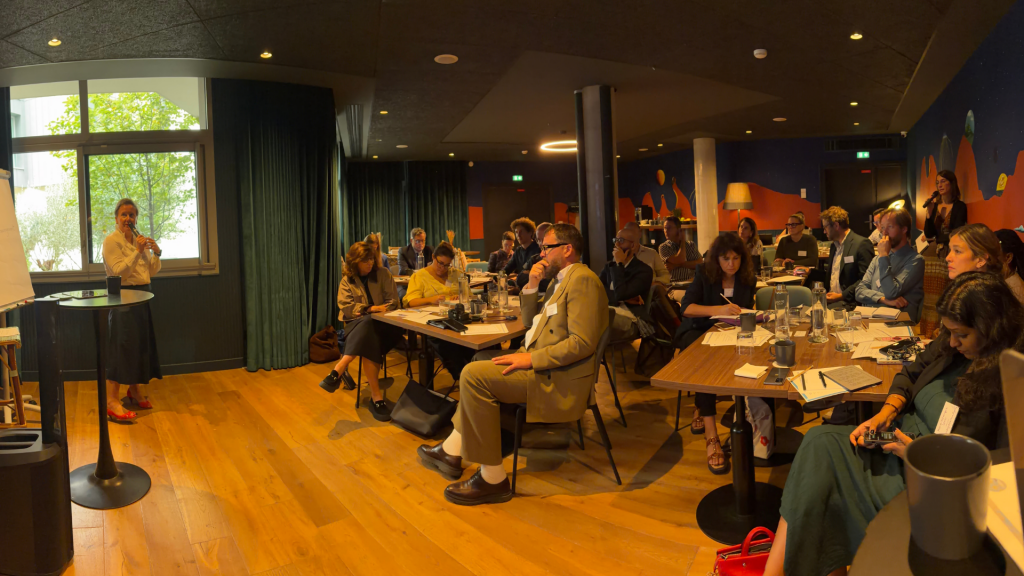
Five months after Creative Commons hosted an Exploratory Dialogue at UNESCO House that brought the international community together to consider the promise of equitable access to heritage, we returned to Paris with a smaller group of UNESCO Member State representatives and open heritage champions. This time, the conversation had a different purpose: moving from exploring why open heritage matters to underscoring the urgency of taking action to establish international standards.
What does it mean to be part of the CC community today? It’s a question we ask ourselves regularly at CC—and one we recently brought directly to our community through our annual Community Survey. This year, 62 community members from 23 countries shared their experiences, priorities, ideas, and hopes for the future of the Commons.
On September 21st, Creative Commons convened leading experts, practitioners, and builders for a day of conversation about the collaborative underpinnings of openness, investigating all the layers of the stack for a better, shared understanding of what openness can—and cannot—do to help communities and nations drive towards digital sovereignty.
The recent emergence of generative artificial intelligence (AI) has had a phenomenal impact on CHIs, especially as the content they steward is accessed and used for AI development. One key question centers on the conditions, norms, and expectations governing the use of openly licensed and public domain cultural heritage materials as data for AI development.
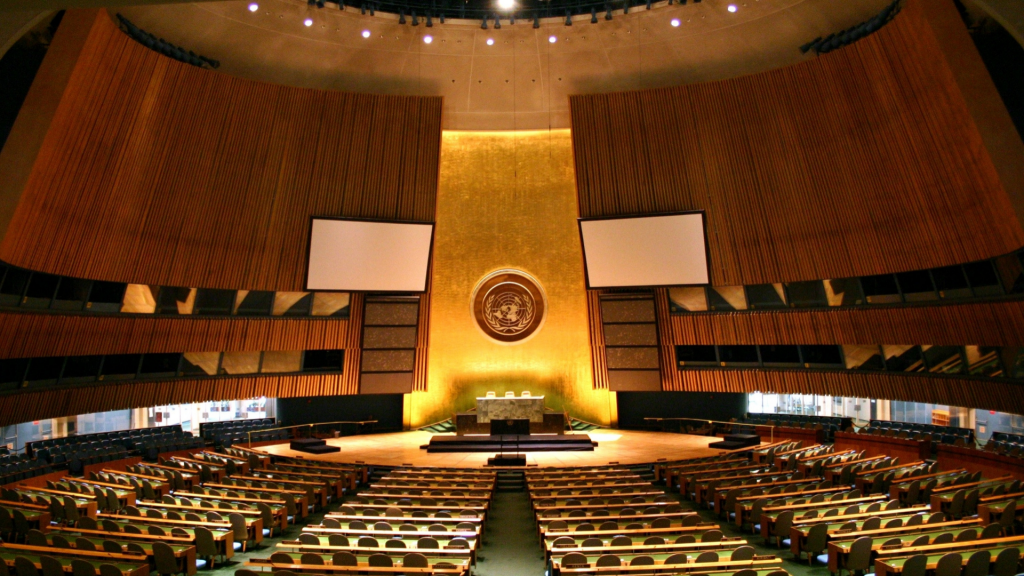
As the United Nations General Assembly (UNGA) convenes its 81st session in New York in September, Creative Commons is bringing together leading civil society and digital rights organizations for “A Conversation on Collaboration,” a day-long symposium examining how to balance digital sovereignty with open collaboration.
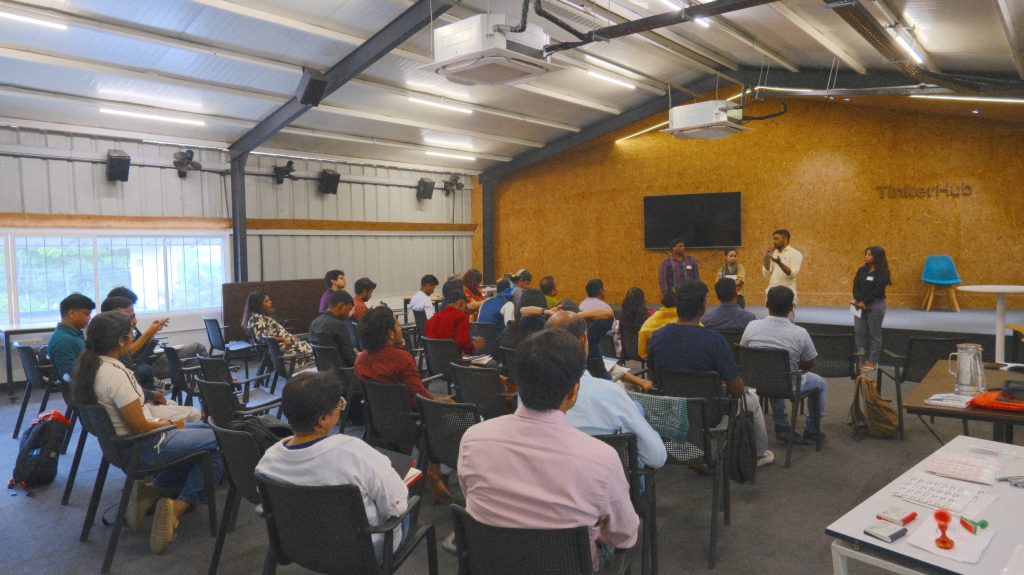
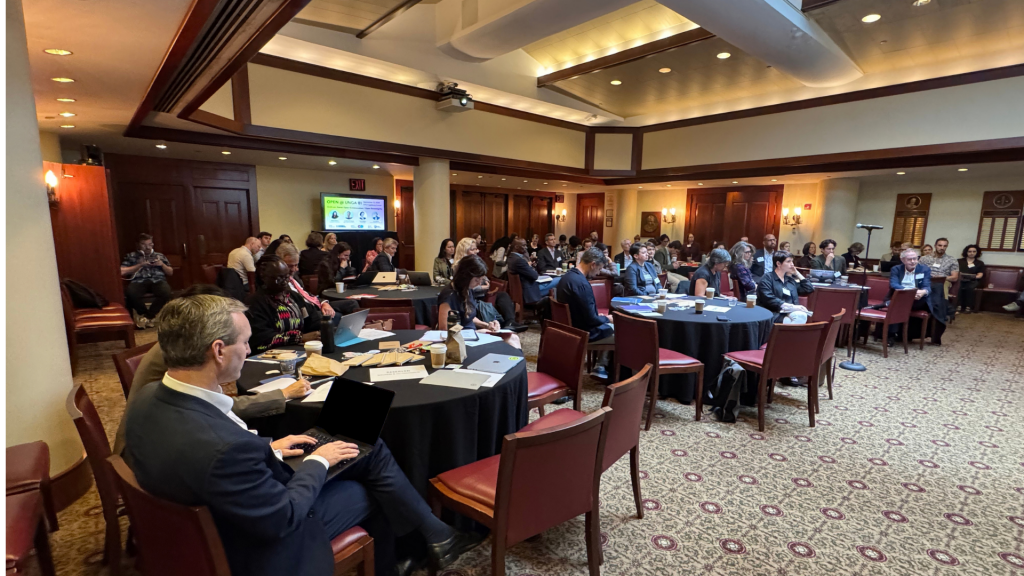
We are excited to announce that we will be supporting four regional events for CC’s 25th Anniversary—representing regions around the world with groups who are working to advance open knowledge. We’re delighted to be working with a variety of trusted partners and look forward to sharing more about their plans and reporting back on how these events went.
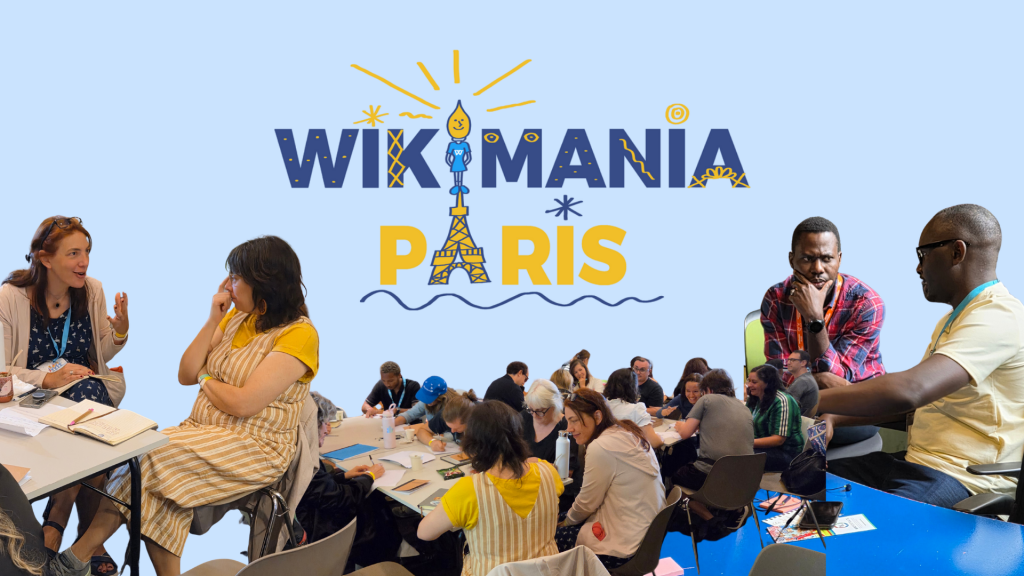
With both Wikipedia and Creative Commons turning 25 this year, our participation in Wikimania 2026 felt especially meaningful. A quarter-century in, both organizations have evolved from scrappy experiments to global infrastructure. Our community has grown through a shared commitment to openness, access, and knowledge. The weeklong conference reaffirmed that commitment as AI is reshaping how we access knowledge and share online.
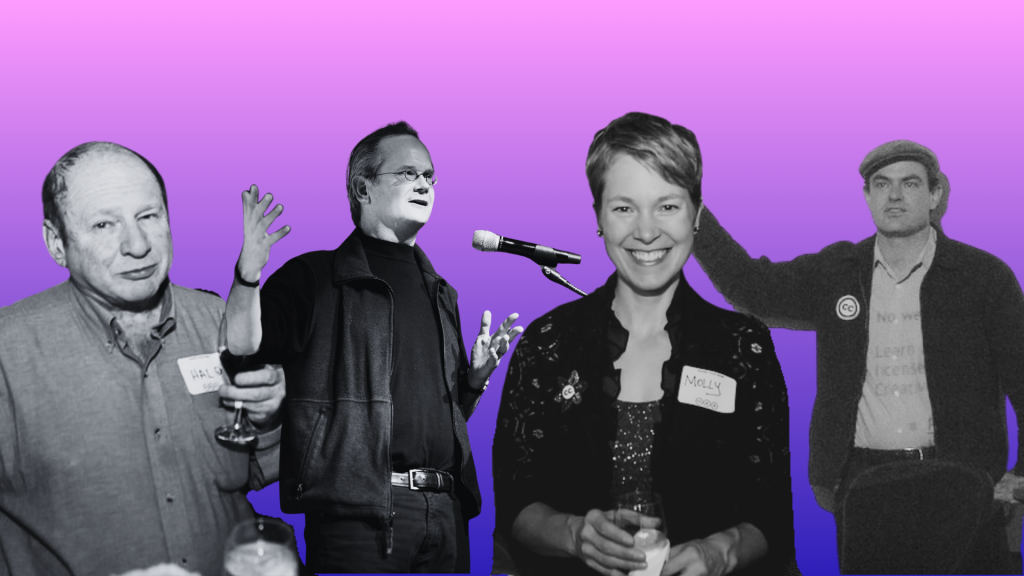
At the recent Founders Fireside Chat, Creative Commons founder Lawrence Lessig referred to himself as “hopelessly naive.” It struck me that this sort of naivete—the kind that is about believing in the potential for good when sharing knowledge with other humans—is the glue that holds the entire Creative Commons movement together, across borders and belief systems.
Over the past 25 years, Creative Commons has helped transform openness from an aspiration into a global practice. Through open licensing, communities around the world have built new models for sharing. The Legacy Of series reflects on four interconnected movements—Open Access, Open Education, Open Science, and Open Culture—and the people who helped shape them.
Twenty-five years ago, a small group of people made a bet. They believed that if you gave creators a simple set of tools and licenses in language that a lawyer, a machine, and a human could all read, millions of people might choose to share their work with the world instead of locking it down.
“We said, oh gosh, if a million people use these licenses, that would be amazing,” Hal Abelson recalled, laughing at how small that ambition sounds now. Today the number “starts with a B.” Hal’s quote was one of many memorable moments during Creative Commons’ Founders Fireside Chat, a special benefit event for CC’s 25th anniversary.